USA Top 10 crypto casinos in Ohio

The Best Live Casino Trends Modern Developments in Real-Time Gaming

Live casino gaming has evolved into one of the most influential sectors in online gambling, driven by rapid improvements in streaming technology, production quality, and player expectations. What began as a simple alternative to software-based tables is now a full real-time environment with human dealers, multi-camera studios, live chat, and interactive features that mirror the atmosphere of a physical casino. Players increasingly prefer transparent, social gameplay over automated outcomes, leading to the growth of game-show formats, localized dealers, and mobile-first experiences. At the same time, operators are investing in smoother connectivity, instant payouts, and responsible gaming tools to support a global audience. This shift reflects a broader trend in digital entertainment: users want participation, not passive play. As new technology continues to shape how these games are produced and delivered, live casinos are becoming the central point of innovation in the online gaming industry.

Core Trend Categories

casino icon

Main Trends Page

casino search icon

Casino Trends

slot-machine

Slot Trends

crypto icon

Crypto Casino Trends

sports icon

Sports Betting Trends

bonus icon

Bonus Trends

How Live Casinos Are Changing the Way People Gamble?

casino iconThe world of online gambling has evolved quickly, but nothing has transformed it more than the arrival of live casinos. What began as simple digital table games has grown into a completely new form of entertainment. Players no longer settle for silent software and virtual cards. They want real dealers, real conversation and a real casino atmosphere on any device they use.

A live casino places the player at a real table inside a professional studio. Cards are dealt by a human dealer. Wheels spin in real time. Players can talk to the host and to each other, which brings the energy of a physical casino directly onto the screen. The game feels alive, and every round has suspense, emotion and a sense of human presence.

technologyTechnology helped make this shift possible. Modern studios use high quality cameras, natural lighting and smooth audio, so the broadcast looks like a television production rather than a computer animation. A player can join a blackjack table while relaxing at home or while travelling, and the experience remains clear, fast and comfortable on a mobile device.



Trust is another reason the live format is growing so quickly. Many players feel more confident when they can see cards being dealt or a ball landing on a number. It gives a clear view of what is happening, and it removes the feeling of playing against algorithms that cannot be seen.

For these reasons digital table games are starting to feel like a product from an older era. They still exist, but they lack warmth and personality. Live casinos have turned online gambling into a social experience with human hosts, real conversation and the excitement of a real gaming floor. What once felt like a computer program now feels like a genuine event, and that change continues to attract millions of new players around the world.

The Evolution of Live Dealer Games

Beginning

1990s – The Early Beginnings

In 1994, the first online casinos were launched, offering digital versions of classic table games like blackjack and roulette. These early platforms allowed players to interact with software-generated outcomes, but there were no live dealer options at this time. As the internet grew in popularity throughout the late 1990s, the concept of live dealer games began to emerge. However, at that point, streaming technology was still in its infancy, making it impossible to bring this idea to life. While the potential for real-time, interactive gaming was recognized, the technology required to deliver smooth, high-quality live streams was simply not yet available.

live casino dealer art

2003-2006 – The Birth of Live Dealer Casinos

In 2003, Evolution Gaming was founded, marking a significant milestone in the development of live dealer casinos. Although video streaming technology was still in its early stages, Evolution began experimenting with real dealers, pushing the boundaries of what online casinos could offer. By 2006, the first live dealer blackjack and roulette games were launched, introducing players to real dealers interacting with them via live video. These games were broadcast from basic studios with relatively low-quality video, but the concept was fresh and exciting. Early adopters were quick to embrace the idea of real-time gaming, paving the way for the live dealer revolution in online casinos.

rising

2007-2010 – The Rise of Streaming Quality

By 2010, live casino gaming had gained significant traction, with several major operators adopting live dealer tables into their portfolios. As internet speeds and streaming technology improved, the quality of live casino games also saw substantial growth. The first high-definition (HD) streams were introduced, offering players clearer, more immersive experiences. By this time, live dealer casinos were no longer a niche feature; they had become a key part of many online casinos’ offerings. Evolution Gaming and other providers began expanding their studios, and the variety of games available in live formats grew beyond blackjack and roulette, introducing options like baccarat, poker, and even game-show-inspired titles. The live casino industry was beginning to thrive, attracting a larger and more diverse player base.

mobile icon

2011-2015 – Mobile Access and Professional Studios

By 2015, live casino gaming had evolved into a mainstream offering, with top-tier providers like Evolution Gaming leading the charge in innovation. Streaming technology had advanced to the point where casinos were now offering immersive, multi-camera setups and professional dealers who interacted with players in real time. Mobile compatibility became a priority as more players turned to smartphones and tablets to access live dealer games. This shift towards mobile-first platforms allowed live casinos to reach a much broader audience, enabling players to enjoy real-time gaming on the go. Additionally, new game variations and interactive features, such as live chat and side bets, further enhanced the player experience, making live casino games more engaging than ever before. By this time, live casinos were becoming a core part of the iGaming landscape, with major operators integrating them into their offerings to meet growing demand.

expansion

2016-2020 – Expansion and Innovation

By 2020, live casino gaming had firmly established itself as one of the most popular and lucrative segments in the online gambling industry. The global pandemic accelerated the shift towards online gambling, with live dealer games seeing an explosion in demand as traditional brick-and-mortar casinos were forced to close their doors. Operators quickly adapted, upgrading their studios to accommodate health protocols while continuing to deliver high-quality live experiences. During this time, technological innovations such as virtual tables, Augmented Reality (AR) overlays, and AI-powered personalization began to emerge, further enhancing the gaming experience. Providers like Evolution Gaming continued to dominate the market, introducing new game formats like Dream Catcher, Monopoly Live, and Crazy Time, which combined elements of live gaming with interactive, game-show-style formats. The rise of cryptocurrencies also opened new payment avenues, giving players more secure and faster transaction methods. Live casino gaming entered a new era, characterized by greater variety, deeper engagement, and a more immersive experience for players worldwide.

Time Table Icon

2021-Present – The Future of Live Casinos

By 2025, live casino gaming is set to be even more sophisticated and immersive, driven by advancements in Virtual Reality (VR), Augmented Reality (AR), and artificial intelligence (AI). With the widespread adoption of 5G networks, players will enjoy ultra-low latency streaming, enabling smoother and more interactive gaming experiences. VR casinos will allow players to don headsets and fully immerse themselves in lifelike virtual environments, while AR will enhance live streams by overlaying digital elements, such as virtual chips or bonus features, onto the live-action footage. AI will continue to evolve, not just in personalizing the gaming experience, but also in creating more dynamic dealer interactions and smarter game recommendations. Additionally, the trend toward blockchain and cryptocurrency will further solidify its place in the industry, providing enhanced security, faster transactions, and transparency in gameplay. With studios expanding globally, particularly in regions like Asia and Latin America, live casinos will cater to an even wider, more diverse player base. The lines between traditional and digital casinos will continue to blur, setting the stage for an even more immersive, interactive, and secure future for live casino gaming.

Revolutionizing the Live Casino Experience: The Latest Innovations

Live casino gambling is evolving at an extraordinary pace, fueled by technological advancements and player expectations for more immersive and personalized experiences. From enhanced streaming quality to the integration of cutting-edge technologies like AI and cryptocurrency, innovations in live casinos are reshaping the landscape. Let’s dive into the most significant shifts that are defining the future of this sector.

Ultra-Low Latency & High-Definition Streaming: Real-Time Gaming Like Never Before

Latency has always been a key challenge in live casino gaming. A slight delay between action and feedback can disrupt the immersive experience, especially in fast-paced games like roulette or blackjack. But today, ultra-low latency streaming technology is changing the game.

By leveraging WebRTC technology, live casino operators are delivering streaming that’s virtually instantaneous, with near-zero delays. This results in a seamless and fluid gaming experience where players can place bets in real-time and react to outcomes without any noticeable lag. 4K resolution, along with multiple camera angles, ensures that players enjoy crisp visuals, whether they are on mobile devices or desktop computers.

Additionally, these advancements have been mobile-optimized, ensuring players can enjoy high-quality streaming no matter where they are. The ability to watch games in real-time, with minimal delay and crystal-clear visuals, is enhancing the overall sense of immersion.

Why It Matters?

  • Uninterrupted Gaming: Players can react in real time, placing bets at the very last second and enjoying a high-quality experience.
  • Global Reach: Ultra-low latency ensures smooth play across time zones, making it easier to attract players from around the world.

AI-Powered Personalization & Behavioral Analytics: Tailored Experiences for Every Player

The role of Artificial Intelligence (AI) in live casino gambling is becoming increasingly significant. Today, AI is used to track player behaviors, predict preferences, and offer tailored experiences that make each gaming session feel unique and customized.

AI can analyze vast amounts of player data, from bet patterns to preferred game types, and use this information to provide personalized recommendations and bonuses. It can also adapt in real-time, adjusting the speed of a game or even changing the dealer's approach based on the player’s mood and preferences. This dynamic level of personalization boosts engagement and keeps players coming back for more.

Moreover, AI systems track player interactions with games and dealers, which allows them to optimize the experience further, ensuring the environment is constantly adapting to the individual. For example, AI can suggest new games, offer rewards for specific actions, and even predict when a player is likely to leave, offering timely bonuses to keep them engaged.

The Role of Artificial Intelligence in Advancing Live Casino Gambling

AI Application Impact on Live Casinos
Personalized Game Recommendations Suggests games based on player preferences, improving engagement.
Behavioral Analytics Analyzes player actions to tailor offers and improve retention.
Fraud Detection & Security Detects irregular patterns to prevent cheating and ensure fairness.
AI-Powered Dealers Enhances interaction with virtual or hybrid dealers for dynamic gameplay.
Emotion Recognition Adapts gameplay based on player mood, improving experience and satisfaction.
AI Chatbots for Customer Support Provides instant support, enhancing player satisfaction and service.

VR/AR Immersion & Game Show Innovation: Next-Level Entertainment

AI Live Casino GamingThe advent of Virtual Reality (VR) and Augmented Reality (AR) has revolutionized the way players engage with live casino games, taking the experience far beyond traditional online gambling. These immersive technologies are unlocking new levels of interaction, excitement, and engagement, offering a completely redefined approach to live gaming.



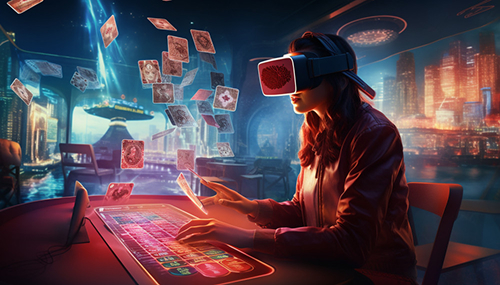
Virtual Reality (VR) in live casino gambling creates a fully immersive digital environment, where players can wear VR headsets and enter a 3D-rendered casino. Unlike standard online casinos, which offer a passive, screen-based experience, VR brings the casino floor to life. Players can “walk” around virtual casino floors, interact with other players, and engage directly with live dealers in real-time. The ability to move through the space, view the games from different angles, and even chat with fellow players, enhances the feeling of being in a physical casino-without ever leaving home.

But VR doesn’t stop at traditional table games like blackjack, roulette, or baccarat. Game developers are also integrating VR technology into live-action game show-style games, which have become increasingly popular. In these experiences, players can spin prize wheels, take part in bonus rounds, and participate in interactive challenges, all within a fully immersive, 3D environment. These game shows (such as Crazy Time, Monopoly Live, and Deal or No Deal) have a TV-like quality, where players feel like they are part of a live broadcast, with dramatic effects, vibrant visuals, and a highly interactive experience. It’s a blend of entertainment and gambling that is unique to VR.

Augmented Reality (AR), on the other hand, enhances live casino games by superimposing virtual elements onto the real-world environment, which can be seen through players' screens or mobile devices. In live dealer games, AR can add dynamic, visually engaging overlays to the streamed video feed, enhancing the gameplay. For example, AR can generate virtual spinning wheels, animated prize pools, or bonus features that interact with the physical game-creating an extra layer of excitement and unpredictability. Players might see virtual chips bouncing across their screen, or watch as special effects are triggered during bonus rounds, all while the real dealer continues to run the game.

The integration of AR technology also opens up endless possibilities for new game mechanics, offering developers the freedom to experiment with interactive bonuses, customized visual themes, and augmented jackpots. This type of technology not only adds a fresh aesthetic to the games but also introduces a sense of unpredictability. With the virtual elements reacting to players’ choices and in-game events, every round feels more dynamic and full of surprises.

Together, VR and AR provide a level of immersion and interactivity that was once the stuff of science fiction. As VR continues to develop, the boundaries between physical and virtual gambling environments are becoming increasingly blurred, allowing players to step into a casino experience that feels much closer to real life.

The Changing Profile of Live Casino Players

The live casino audience has evolved rapidly. Modern players want a blend of entertainment, interaction, and convenience. They enjoy the thrill of gambling, but they also expect a social and engaging environment that feels alive rather than mechanical.

poker-game

The Social Entertainment Player

A growing share of the audience can be described as social entertainment players. These individuals treat live casino games as shared experiences. They enjoy the interaction with the dealer, the reactions of other participants, and the spontaneous conversations that unfold during play. The chat feature is now part of the entertainment rather than a simple communication tool. For this type of player the atmosphere matters as much as the result. Winning is enjoyable, but the collective excitement is what makes the experience memorable. This social element has turned live casino rooms into digital gathering places rather than silent gambling tables.

mobile icon

The Mobile First Player

Another major shift comes from mobile first players. These players rely on phones or tablets as their primary way to access casino content. They prefer quick access, fast loading streams, and interfaces designed for touch controls and vertical screens. This has changed when and where live casino gaming takes place. A short session during a work break or while traveling is now common. Developers have adapted by improving streaming stability, reducing loading times, and building layouts that feel smooth and responsive on smaller screens. The modern live casino experience fits into everyday life and is no longer tied to a desk.

streaming icon

The Casual Game Show Audience

The rise of live game shows has introduced a new category of players who view casino games as light entertainment. They are not focused on advanced strategies or deep rules. Instead they want excitement, friendly hosts, colorful studios, and unexpected events. Games built around prize wheels, random multipliers, and bonus rounds attract this audience because the focus is on fun rather than complex decision making. The experience feels closer to a live television show than a traditional casino table which allows inexperienced players to participate without pressure or intimidation.

How the New Player Profile Differs from the Traditional Player

The modern live casino player values connection, convenience, and enjoyment. They prefer experiences that feel interactive and engaging rather than silent and traditional. By adapting to this audience, casinos are building a future that attracts a wider and more diverse player base than ever before.

Player Type Primary Motivation Preferred Games Engagement Style
Traditional Casino Player Strategy and skill Classic table games Quiet, personal focus
Modern Social Player Interaction and community Live tables with active chat Communicative and social
Casual Entertainment Player Fun and surprise Game shows and bonus driven titles Participation without pressure
Mobile First Player Convenience and quick access All live content optimized for phones Short sessions and fast entry

Why the New Live Casino Player Matters?

manThe shift in player profiles has become a defining force in the live casino industry. These modern participants are more diverse, more socially active, and more demanding when it comes to user experience. Unlike traditional gamblers who focused mainly on strategy and outcomes, the new audience values atmosphere, convenience, personality, and entertainment. Their habits have influenced how studios are built, how hosts interact, and how games are designed. The industry is now shaped by players who want content that feels immersive, playful, and instantly accessible.

This change has real business impact. The social and mobile first audience logs in more often, stays longer, and engages with multiple game formats. Operators have responded by enhancing stream quality, adding game show style productions, and creating loyalty systems that reward activity instead of just wins. Personalised recommendations, themed events, and interactive features are now standard because they keep players returning.

What Modern Players Expect How Casinos Adapt
Fast access on phones Mobile optimized interfaces
Interaction and personality Hosts trained as entertainers
Constant excitement Bonus rounds and multipliers
A friendly social atmosphere Active chat moderation and community tools

Growth of Localised Live Casinos

locationOne of the strongest emerging trends in the live casino market is the movement toward localisation. Instead of offering a single universal format, operators are building gaming experiences that reflect the culture, language, and preferences of specific regions. This approach makes live casinos feel more familiar and welcoming, especially to players who prefer a personal and culturally relevant environment.


Studios now hire native speaking dealers, create region themed tables, and design interfaces that match local preferences. Rules and side bets are often adapted to suit popular formats in different countries. Even scheduling has become more strategic, with tables opening during peak playing hours for each time zone. This ensures that players do not feel like visitors in someone else’s casino, but participants in their own.

Localisation has expanded the global reach of live casinos and brought diversity to the industry. A European roulette table, an Indian themed game show, and a Latin American blackjack room can all operate at the same time under one provider. This tailored approach strengthens player trust, increases engagement, and makes live casinos more inclusive for audiences around the world.

Player Safety and Fairness in Live Casinos

As live casino gaming continues to grow, player safety and fairness have become essential priorities for trusted operators. Modern players expect platforms that protect their information, offer secure gameplay, and maintain transparent rules. To meet these expectations, reputable studios invest in advanced security systems, licensed technology, and responsible gaming features.

Live casino providers use encrypted streaming, secure data transmission, and certified equipment to ensure every action at the table is authentic and verifiable. Cards, wheels, and dice are monitored through real time recognition systems that prevent manipulation and allow independent auditors to verify results. Players can review rules, payout structures, and game histories at any time, which adds clarity and builds trust.

Responsible gambling tools are now a standard part of the experience. Time alerts, deposit limits, self exclusion functions, and reality checks allow players to stay in control of their activity. Support teams are trained to assist users who need guidance or clarification. By offering fair games and strong protections, live casinos earn credibility and create environments where entertainment stays safe, transparent, and enjoyable.

Responsible Gambling Tools in Live Casinos

Responsible Gambling Tool What It Does Benefit for Players
Deposit Limits Allows players to set daily, weekly, or monthly maximum deposits Helps control spending and prevent impulsive deposits
Loss Limits Caps how much money can be lost within a set period Reduces financial risk and encourages balanced play
Session Time Limits Alerts or logs players out after a chosen time period Prevents long and unhealthy gaming sessions
Reality Checks Sends automatic reminders showing time spent and balance changes Helps players stay aware of activity and avoid losing track of time
Self Exclusion Blocks access to the casino for a chosen period Supports players who need a break from gambling
Account History and Reports Displays deposits, bets, wins, and losses in detail Promotes transparency and helps players review their behavior
Access to Support Services Direct links to support organizations and help centers Provides guidance for anyone showing signs of problematic play

What We Can Expect Next in Live Casino Gaming

The future of live casino entertainment is moving toward deeper immersion, smarter technology, and more personalised experiences. Studios are expanding into cinematic production styles with multi camera environments, professional hosts, and interactive storytelling elements that make gameplay feel more like a broadcast than a traditional casino table. Virtual reality tables, mixed reality bonus rounds, and holographic interfaces are expected to become more accessible as hardware improves. Players will not simply watch a table, they will feel present inside it.

Artificial intelligence will also play a major role in shaping the next generation of live casino platforms. Personalised lobbies and smart suggestions will help players discover new games based on their interests and behavior. Fraud detection will become stronger, responsible gambling systems will get more precise, and support tools will adapt in real time to protect players. The industry is moving toward a model where entertainment, transparency, and safety all grow together. As technology evolves, live casino gaming will continue to blend the excitement of real venues with the convenience of online play, creating experiences that feel more social, more interactive, and more immersive than ever before.

Our News About Live Casino Gambling

Final Thoughs

Live casino gaming has transformed from a simple digital version of casino tables into a dynamic entertainment experience built around interaction, technology, and accessibility. Modern players expect more than cards and wheels. They want social environments, lively presenters, mobile convenience, and game formats that feel fresh and exciting. This shift has pushed developers and operators to innovate faster than ever before, leading to the rise of game show style productions, personalised interfaces, VR and AR experiments, and smarter responsible gaming tools.

As technology continues to evolve, live casinos will only become more immersive, more secure, and more engaging. Whether through advanced streaming, artificial intelligence, or virtual worlds, the industry is moving toward a future where digital casinos feel just as real as physical ones. What began as a niche category has now become one of the most innovative sectors in online gaming, driven by players who value entertainment, connection, and a gaming experience that feels alive.

FAQ's

What makes live casino games different from regular online casino games?

Live casino games stream real dealers in real time, creating an interactive and social environment. Unlike standard digital games, players can communicate with the dealer, watch every action live, and experience gameplay that feels more authentic and engaging.

Why are live game shows becoming so popular?

Game show formats offer excitement, colorful studios, friendly hosts, and unpredictable bonus rounds. They attract both experienced players and casual entertainment seekers because the focus is on fun rather than complex strategies.

Is mobile live casino gaming reliable?

Yes. Modern live casinos are built with mobile optimization, fast loading streams, touch controls, and vertical layouts. Most studios broadcast in high quality with adaptive streaming so players can enjoy smooth gameplay from phones or tablets.

How does technology improve the live casino experience?

Advanced cameras, professional studio lighting, fast video streaming, optical card recognition, and 4K broadcasts deliver a cinematic experience. This creates smoother gameplay, clearer visuals, and a stronger sense of realism.

What role does artificial intelligence play in live casinos?

AI helps personalise game recommendations, improve fraud detection, support responsible gambling tools, and enhance customer service. It can also assist hosts by tracking game flow and player engagement.

Marina

Author

Marina Kostadinova | Content Strategist

Marina Kostadinova serves as the Content Strategist for CasinoLandia, where she oversees the creation and implementation of content marketing strategies. With her expertise, she ensures that CasinoLandia's content resonates with its audience and drives engagement and growth within the online casino industry.
hide-html