






 International
  Argentina
  Australia
  Austria
  Belgium
  Brazil
  Canada
  Chile
Chile  Czechia
  Denmark
  Estonia
  Finland
  France
  Germany
  Greece
  Hungary
  India
India  Indonesia
  Ireland
  Israel
  Italy
Italy  Japan
Japan  Netherlands
  New Zealand
  Nigeria
  Norway
  Malaysia
  Mexico
  Peru
Peru  Philippines
  Poland
  Qatar
Qatar  Romania
  Russia
  Slovakia
  Slovenia
  South Africa
  South Korea
  Spain
Spain  Sweden
  Switzerland
  Thailand
  Turkey
  Vietnam
  UAE
UAE  United Kingdom
  USA
USA - Casino News
- Industry News
Slovak Authority Teams with University to Address Gambling Risks


Slovak Authority Teams with University to Address Gambling Risks

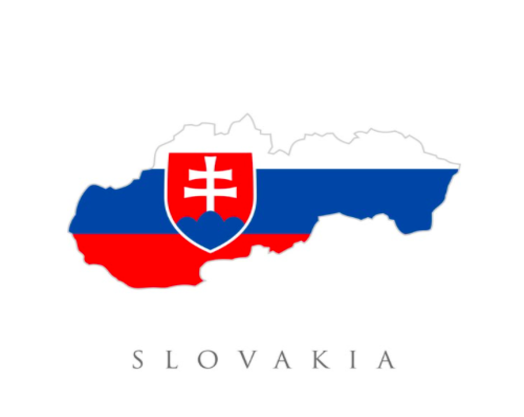
Efforts to address the social risks associated with gambling in Slovakia are moving beyond regulatory supervision and into the academic sector. A new collaboration between the national gambling authority and a university aims to bring research, teaching, and public awareness under a single framework. The initiative reflects a growing view among policymakers that education can play a role in long-term prevention strategies.
The partnership has been formalised through a memorandum signed by the Slovak Gambling Regulatory Authority and the University of Trnava. Under the agreement, the university’s Faculty of Education will develop a programme designed to raise awareness of gambling risks and related forms of digital dependency. The project seeks to combine the regulator’s market data with academic research methods to build educational material that can later be used in schools and training institutions.
Officials involved in the project describe the initiative as an attempt to bring regulatory knowledge into the academic environment. While gambling authorities often publish reports and policy recommendations, those materials do not always translate directly into educational content. By involving the university sector, the regulator hopes to create resources that can be used both in teacher training and in broader discussions about digital behaviour.
 The Faculty of Education at the University of Trnava will have access to national gambling data collected by the regulator. This information includes statistics on market development, player activity, and regulatory enforcement. Researchers will use the data to design a curriculum that examines gambling from several perspectives, including legislation, prevention strategies, and the role of digital technologies.
The planned programme is expected to address multiple topics connected to gambling behaviour. Among them are the structure of gambling regulation, the prevention of addiction, and the way online environments influence participation. Researchers will also analyse the emergence of new gambling formats alongside the expansion of online platforms.
 Digital transformation has altered how gambling services are accessed across Europe, including in Slovakia. Online casinos, mobile betting platforms, and digital payment systems have reshaped the industry over the past decade. These developments have raised new questions for regulators, particularly regarding the protection of younger audiences who interact with digital platforms daily.
The programme developed at the University of Trnava will be designed not only for students but also for lecturers and educators who may later incorporate the subject into teaching materials. Once the research phase is completed, the university plans to produce a series of academic outputs. These may include student theses, participation in research conferences, and methodological guides for schools and public institutions.
Such materials could serve as a bridge between regulatory policy and education practice. While gambling legislation sets the legal boundaries for operators and consumers, prevention often relies on awareness and early intervention. Educational institutions, therefore, represent a point where policy goals can be translated into practical teaching tools.
 The cooperation agreement also reflects a broader trend in which regulators seek closer links with research institutions. Universities often have the capacity to analyse social and behavioural patterns in ways that complement the work of regulatory authorities. In this case, the partnership enables academic researchers to examine real market data while advancing policy objectives.
Libuša Baranová, director general of the Slovak gambling regulator, has framed the initiative as a response to changes in the digital environment. According to her remarks accompanying the agreement, issues related to gambling, online games, and digital dependency increasingly affect younger generations. Addressing those challenges, she noted, requires cooperation between regulators and educators.
Baranová argued that combining regulatory expertise with academic tradition could strengthen prevention efforts. The expectation is that educators trained through the programme will later contribute to awareness initiatives in schools and community settings. In this sense, the university programme is intended to influence how gambling risks are discussed in educational contexts over the coming years.
 The project also aligns with developments observed in Slovakia’s gambling market. Data released in the regulator’s 2025 market report indicates that online gambling has become the dominant segment of the national industry. This shift marks a change from earlier years, when land-based venues such as casinos and gambling halls accounted for the largest share of activity.
According to the report, player losses in land-based casinos and gambling halls reached €469.3m during 2025. In the same period, losses recorded through online gambling platforms totalled €570m. The figures illustrate how digital channels now account for a significant share of gambling activity in the country.
The transition toward online gambling has implications for both regulators and public institutions. Digital platforms operate across national borders and often rely on technologies that allow users to access services from mobile devices. These characteristics can make monitoring and enforcement more complex compared with traditional land-based venues.
Top Online Casinos
10 Recommended Online Brands On CasinoLandia That Will Enhance Your Gaming Experience
No results were found!