




 International
  Argentina
  Australia
  Austria
  Belgium
  Brazil
  Canada
  Chile
Chile  Czechia
  Denmark
  Estonia
  Finland
  France
  Germany
  Greece
  Hungary
  India
India  Indonesia
  Ireland
  Israel
  Italy
Italy  Japan
Japan  Netherlands
  New Zealand
  Nigeria
  Norway
  Malaysia
  Mexico
  Peru
Peru  Philippines
  Poland
  Qatar
Qatar  Romania
  Russia
  Slovakia
  Slovenia
  South Africa
  South Korea
  Spain
Spain  Sweden
  Switzerland
  Thailand
  Turkey
  Vietnam
  UAE
UAE  United Kingdom
  USA
USA - Casino News
- Industry News
Montenegro Implements Ban on Apple Pay and PayPal Online Betting Payments


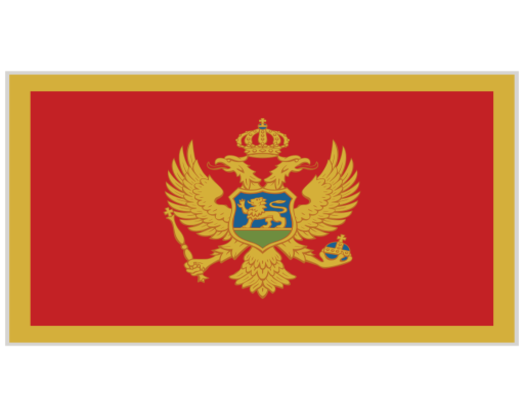
Montenegro Implements Ban on Apple Pay and PayPal Online Betting Payments
 In a move that could affect its aspirations to join the European Union (EU), Montenegro has enacted new regulations that prohibit the use of popular digital payment systems for online gambling. The country’s gambling laws amendments ban payment methods such as e-banking, PayPal, and Apple Pay for betting transactions.
The Montenegrin government has stipulated that instead of using these modern payment methods, betting customers will need to transfer funds to their online accounts through physical betting shops or a card at a betting shop terminal. This policy shift marks a significant departure from digital transactions widely accepted across the EU. Critics argue that this move contradicts EU competition laws, specifically the Montenegro-EU Stabilisation and Association Agreement and the Payment Services Directive, which are designed to foster an integrated market for electronic payments.
 Additionally, the amendments are at odds with the EU’s fourth and fifth Anti-Money Laundering Directives, which categorize cash transactions as high-risk for money laundering. Montenegro’s new regulations conflict directly with these directives by emphasizing cash payments. This starkly contrasts with recent EU initiatives, such as the European Digital Identity (e-ID), aimed at standardizing electronic identification across EU member states.
Montenegro’s decision to implement these changes aligns with its action plan to strengthen its Anti-Money Laundering (AML) framework in compliance with MONEYVAL, the Council of Europe’s financial intelligence monitoring body. Similar actions have been observed in other European markets like Malta and Gibraltar, which have followed AML action plans to be removed from the Financial Action Task Force (FATF) greylist. The FATF encourages reduced cash transactions to combat money laundering effectively.
 The gambling sector in Montenegro, which directly and indirectly employs nearly 2% of the national workforce, is facing substantial challenges due to these legislative changes. With the country’s unemployment rate at 15%, the potential for job losses in the gambling industry could have significant economic repercussions.
Jovana Klisić, a representative of MontenegroBet, the national trade association, has voiced concerns over the severe risks these legislative changes pose to the sector. She emphasized that removing e-banking and mobile payment options, which are both compliant and transparent, not only hampers operational efficiency but also threatens employment within the sector. This legislative move could have a ripple effect, impacting other areas of Montenegro’s economy.
In response to the amendments, a petition opposing the changes quickly garnered 25,000 signatures, representing approximately 8% of the electorate, within just five days. This rapid and widespread support underscores significant public concern over the potential impact on jobs and the broader economy. MontenegroBet has submitted the petition to the National Assembly, prompting a Constitutional Review of the amendments. The association is also engaging with international institutions to highlight the negative impacts of these legislative changes and their inconsistencies with EU directives.
 The ban on Apple Pay and PayPal for online betting payments in Montenegro has broader implications for the iGaming industry. The shift from digital to physical transactions may disrupt betting companies’ operational efficiency, potentially reducing the industry’s competitiveness. This change could also deter international investment and partnerships within Montenegro’s gambling sector, as businesses prefer stable and predictable regulatory environments.
The restriction of modern payment methods is likely to influence consumer behavior, as convenience and security are significant factors for online transactions. The mandated use of cash or physical card payments could lead to a decline in online betting participation, thereby affecting revenue streams for betting companies. Moreover, the legislative amendments raise concerns about compliance with international financial norms. Aligning with EU regulations is crucial for Montenegro’s ambition to join the EU, and these changes could complicate that process.
The gambling industry in Montenegro is advocating for a reconsideration of the amendments. MontenegroBet’s petition and support from international institutions aim to realign Montenegro’s regulatory framework with EU and global financial norms. The industry focuses on ensuring a fair and competitive environment for gambling operations.
Klisić emphasized the importance of maintaining a regulatory framework that supports both compliance and operational efficiency. She stated:
“Our overarching aim is to realign Montenegro’s regulatory framework with both EU and global financial norms, ensuring a just and transparent environment for the industry.”
The outcome of the Constitutional Review and the response from international institutions will be critical in determining the future of Montenegro’s gambling industry. The sector remains hopeful that significant public backing and institutional pressure will lead to a reconsideration of the amendments, ultimately benefiting the industry and the broader economy.
In conclusion, Montenegro’s ban on modern payment methods for online betting presents significant challenges and implications for the iGaming industry. The legislative changes highlight the tension between national regulatory decisions and international financial norms, potentially impacting industry competitiveness, employment, and Montenegro’s EU aspirations. The ongoing response from industry stakeholders and international bodies will play a crucial role in shaping the future regulatory landscape for online gambling in Montenegro.
Top Online Casinos On Our Land
10 Renowned Online Casinos On CasinoLandia That Will Cater For Your Casino Needs
No results were found!