






 International
  Argentina
  Australia
  Austria
  Belgium
  Brazil
  Canada
  Chile
Chile  Czechia
  Denmark
  Estonia
  Finland
  France
  Germany
  Greece
  Hungary
  India
India  Indonesia
  Ireland
  Israel
  Italy
Italy  Japan
Japan  Netherlands
  New Zealand
  Nigeria
  Norway
  Malaysia
  Mexico
  Peru
Peru  Philippines
  Poland
  Qatar
Qatar  Romania
  Russia
  Slovakia
  Slovenia
  South Africa
  South Korea
  Spain
Spain  Sweden
  Switzerland
  Thailand
  Turkey
  Vietnam
  UAE
UAE  United Kingdom
  USA
USA - Casino News
- Industry News
What Poland’s Transfer Monitoring Means for E-Wallet Users


What Poland's Transfer Monitoring Means for E-Wallet Users

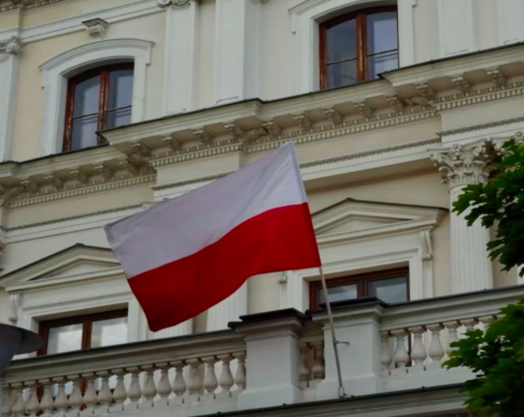
Poland's online gambling sector is entering a period of recalibration as authorities begin enforcing an expanded set of requirements to monitor transactions linked to unlicensed operators. The new policy, applied from the start of 2025, places particular emphasis on digital payment channels such as e-wallets and rapid bank transfers. These methods have played a central role in how users moved funds in and out of offshore platforms, allowing an extensive parallel market to operate despite longstanding regulations intended to restrict online gambling access.
The scale of this parallel market is significant. Industry assessments indicate that unregulated gambling in Poland processes nearly PLN 40 billion each year, a figure often cited by policymakers as evidence of the need for firmer oversight. This volume, which rivals the regulated environment in activity, has prompted a shift in focus toward the infrastructure that supports such transfers rather than solely on the gambling operators themselves.
 The new regulatory layer directs attention to the payment intermediaries that have enabled transactions to flow freely across borders. For years, e-wallets, instant transfer services, and similar digital systems have provided users with a convenient way to access offshore platforms. These services helped create a buffer between users, banks, and the operators receiving the funds, making it difficult for regulators to categorise or block payments tied to unlicensed gambling activity. The changes now require payment providers to assume a more active role in identifying and restricting such transfers.
The policy stems from a longstanding structural feature of the Polish market: only one operator holds an online casino licence, while all others fall into the unregulated category. This imbalance has created a legal market with limited supply and an illegal market with high demand, ultimately resulting in sustained outflows to offshore operators. An analyst review suggests that unlicensed gambling has accounted for tens of billions of zlotys in annual turnover and more than one billion in yearly revenue for platforms operating without a Polish permit. These numbers illustrate the depth of the grey zone and highlight why payment channels have become a focal point for enforcement.
 Under the new framework, payment service providers must classify any gambling-related transaction as high-risk when the receiving operator is unlicensed in Poland. Firms that continue to process these transfers may face sanctions under domestic anti-money laundering rules. The goal is not only to halt the flow of funds but also to create a system in which digital transfers cannot serve as a loophole for operators to circumvent Polish licensing requirements.
For users who have relied on e-wallets, the change is likely to introduce additional layers of scrutiny. E-wallets have been popular because they offer speed, privacy, and ease of access, traits that made them well-suited to cross-border transfers. However, payment intermediaries supporting these wallets will now have to conduct more frequent monitoring and enhanced due diligence checks. When a transaction is linked to a platform without a Polish licence, the intermediary may place the transfer on hold or file a suspicious-activity report. These procedures will not only slow the movement of funds but also create a more transparent chain of responsibility behind the transaction.
 The impact extends to instant bank transfers as well. Banks and fast-payment facilitators will be required to maintain systems capable of identifying recipient accounts tied to offshore operators. Previously, such transfers often moved uninterrupted because of the speed at which these services operate, leaving little time for compliance checks before the transaction cleared. The updated rules attempt to close that gap by obligating institutions to intervene before funds leave a user's account.
 Operators, both licensed and unlicensed, will also feel the effects. Licensed entities may benefit from a more orderly market, as the tightened rules could redirect users away from offshore platforms and toward domestically regulated offerings. Unlicensed operators, on the other hand, will face disruption to established payment flows, raising operational challenges and reducing the appeal of their platforms for Polish users.
The broader market implications remain uncertain. The policy may encourage payment companies to invest further in compliance technologies, including automated detection tools and enhanced identity-verification systems. It also prompts dialogue among regulators, banks, and intermediaries to create a shared database of restricted operators to streamline monitoring efforts. At the same time, some users may seek alternative methods to maintain access to offshore platforms, which could shift attention to cryptocurrencies or less transparent financial channels. Regulators have acknowledged this possibility but argue that strengthening the mainstream payment systems is a necessary starting point for limiting the expansion of the grey market.
Top Online Casinos
10 Recommended Online Brands On CasinoLandia That Will Enhance Your Gaming Experience
No results were found!