





 International
  Argentina
  Australia
  Austria
  Belgium
  Brazil
  Canada
  Chile
Chile  Czechia
  Denmark
  Estonia
  Finland
  France
  Germany
  Greece
  Hungary
  India
India  Indonesia
  Ireland
  Israel
  Italy
Italy  Japan
Japan  Netherlands
  New Zealand
  Nigeria
  Norway
  Malaysia
  Mexico
  Peru
Peru  Philippines
  Poland
  Qatar
Qatar  Romania
  Russia
  Slovakia
  Slovenia
  South Africa
  South Korea
  Spain
Spain  Sweden
  Switzerland
  Thailand
  Turkey
  Vietnam
  UAE
UAE  United Kingdom
  USA
USA - Casino News
- Industry News
Finland Approves New Gambling Framework


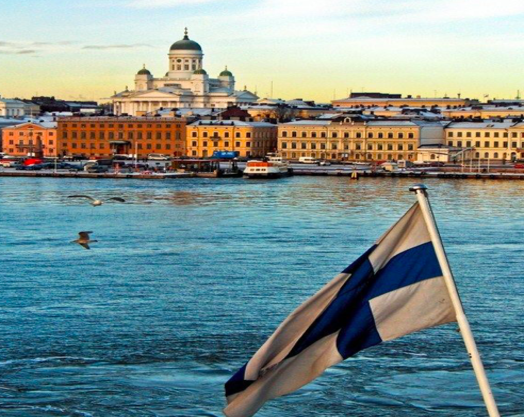
Finland Approves New Gambling Framework
Finland has approved a new Gambling Act that will reshape the country's approach to betting and online casino operations over the coming years. The decision marks a clear move away from an exclusive monopoly model and toward a licensed market structure, introducing competition in selected segments while preserving state control in others. Rather than an abrupt transition, the reform outlines a carefully staged process that will unfold through 2026 and 2027.
At the center of the reform is the end of Veikkaus' exclusive rights to offer betting and online casino games. From July 1, 2027, these verticals will be open to licensed operators, allowing both domestic and international companies to enter the Finnish market under a regulated framework. License applications will open earlier, on March 1, 2026, providing regulators and operators with a transitional period to prepare for the new system.
 For decades, Veikkaus has operated as the sole provider of most gambling services in Finland, a structure justified primarily on public interest grounds. The monopoly was intended to limit gambling-related harm while ensuring that proceeds could be directed toward social causes. Over time, however, digital access to offshore platforms has challenged the effectiveness of this model, particularly in online segments where national borders are less meaningful.
The new Act does not eliminate the monopoly entirely. Veikkaus will retain exclusive control over lottery products, scratch cards, and physical slot machines. These areas are more closely linked to traditional retail distribution and public funding objectives. At the same time, Veikkaus will be allowed to apply for licenses in the competitive segments, effectively repositioning the company as one participant among others rather than the sole provider.
 The reform's underlying logic is closely tied to the concept of channeling. Finnish authorities have acknowledged that a significant share of gambling activity currently takes place outside the regulated system. Estimates suggest that hundreds of millions of euros are wagered annually through offshore operators that fall beyond domestic oversight. This reality has weakened the original justification for exclusivity, prompting lawmakers to reconsider whether regulation, rather than prohibition, offers a more effective response.
Velipekka Nummikoski, Deputy CEO of Veikkaus, has described the new model as a long-anticipated adjustment. In his view, the licensed system offers improved conditions for directing gambling activity into legal channels, provided it is designed in a way that remains attractive to both operators and users. His remarks reflect a broader recognition within the sector that enforcement alone is unlikely to eliminate unregulated gambling if regulated alternatives fail to compete on accessibility and structure.
 A key feature of the new Act is regulatory symmetry. Operators entering the Finnish market will be subject to the same obligations regardless of origin. This includes requirements related to player protection, operational transparency, and compliance reporting. By applying identical rules to domestic and foreign companies, the legislation aims to prevent competitive imbalances that could undermine regulatory objectives.
Supervision of the gambling sector will also change under the new framework. Oversight responsibilities will shift from the National Police Board to a newly created Licensing and Supervisory Authority. The establishment of a dedicated body suggests an effort to centralise expertise and move gambling regulation into a more specialised administrative setting. This authority will be tasked with issuing licenses, monitoring compliance, and addressing breaches, including action against operators that continue to target Finnish consumers without authorisation.
 Marketing rules under the new system point to a controlled approach rather than full liberalisation. Licensed operators will be permitted to promote their services, but only through limited channels such as their own websites and social media accounts. The intention is to allow visibility for regulated offerings while avoiding widespread advertising that could increase participation beyond intended levels. In this sense, marketing is treated as a tool for redirection rather than expansion.
Nummikoski has cautioned that the success of the reform will depend on the authorities' ability to limit unlicensed activity. If offshore operators continue to operate freely, the objectives of channeling and harm reduction could be compromised. This concern mirrors challenges faced in other European markets that have adopted licensing models, where regulators must balance accessibility and control.
 Finland's approach aligns with a wider shift across Europe, where several countries have moved away from exclusive systems in response to digitalisation and cross-border competition. What distinguishes the Finnish model is its gradual pace and its decision to preserve monopolies in specific product categories. This hybrid structure suggests a desire to modernise without fully abandoning the principles that shaped the original system.
The coming years will determine how effectively the new Act functions in practice. The licensing phase in 2026 will test the clarity of the framework and the level of interest from operators. When the market opens in 2027, attention will turn to whether the new structure succeeds in reducing unregulated play while maintaining Finland's emphasis on social responsibility.
Top MGA Online Casinos
10 Recommended MGA Online Brands On CasinoLandia That Will Enhance Your Gaming Experience
No results were found!