





 International
  Argentina
  Australia
  Austria
  Belgium
  Brazil
  Canada
  Chile
Chile  Czechia
  Denmark
  Estonia
  Finland
  France
  Germany
  Greece
  Hungary
  India
India  Indonesia
  Ireland
  Israel
  Italy
Italy  Japan
Japan  Netherlands
  New Zealand
  Nigeria
  Norway
  Malaysia
  Mexico
  Peru
Peru  Philippines
  Poland
  Qatar
Qatar  Romania
  Russia
  Slovakia
  Slovenia
  South Africa
  South Korea
  Spain
Spain  Sweden
  Switzerland
  Thailand
  Turkey
  Vietnam
  UAE
UAE  United Kingdom
  USA
USA - Casino News
- Industry News
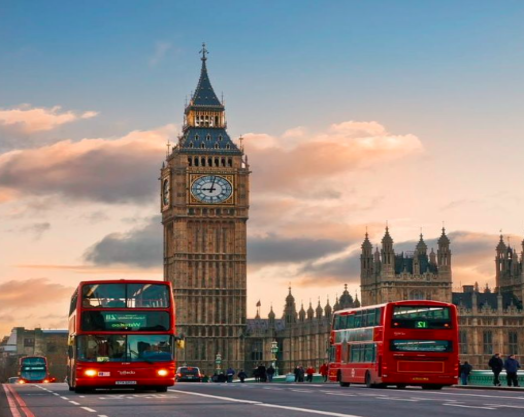
Gibraltar Confronts Economic Risks as UK Reshapes Tax Policy


Gibraltar Confronts Economic Risks as UK Reshapes Tax Policy
 Gibraltar’s government is reassessing the foundations of its remote-gambling sector after the United Kingdom confirmed substantial tax increases on operators serving British customers. The changes, which will take effect in stages over the next several years, have prompted ministers in Gibraltar to warn that the territory may face a period of financial readjustment, with implications for employment, public services, and long-term policymaking.
The announcement arrived as the territory continues its effort to shape a more modern corporate tax framework. For two years, Gibraltar has worked on what officials describe as its national tax strategy, an initiative intended to stabilise revenue without shifting the fiscal burden onto residents. The new UK tax design, introduced without Gibraltar’s input, has been described by local officials as a direct setback to these efforts, creating conditions that could weaken the link between economic planning and actual receipts.
 Nigel Feetham, Gibraltar’s Minister for Justice, Trade and Industry, presented the government’s position with notable clarity. He confirmed that Gibraltar had pushed back against the UK’s proposal from the moment it emerged and sought discussions aimed at altering the outcome. According to Feetham, those efforts did not shift the UK’s decision, leaving Gibraltar to confront a situation that he considers both unhelpful and potentially far-reaching.
Remote gaming duty in the UK will rise sharply in April, moving from 21 percent to 40 percent. A further structural change is scheduled for 2027, when a new remote betting duty is introduced at a rate of 25 percent. Gibraltar does not set these taxes, yet its operators must comply because the UK applies its system based on the customer’s location. The result is a scenario in which firms based in Gibraltar, but serving UK markets, face elevated costs that could alter their financial behaviour.
 Feetham noted that many firms have already begun evaluating how to manage the increased burden. Operators are expected to examine operational budgets, marketing plans, and staffing projections to absorb the shake-up. These internal adjustments may help companies maintain stability, yet they also carry implications for Gibraltar’s tax base, which depends in part on corporate tax and payroll contributions from the same companies now planning cost-containment measures.
Officials have emphasised the structural nature of the issue. Gambling taxes applied by the UK are levied on revenue, not profit, meaning firms see their tax obligations increase before any calculation of financial return. This distinction has created scenarios in which effective tax rates rise far above headline percentages for firms heavily exposed to the UK. Feetham referenced modelling, indicating that certain operators may face effective tax rates that approach their revenue margins, raising questions about the long-term sustainability of some market segments.
 The stakes for Gibraltar are notable. The remote-betting and gaming sector accounts for roughly a third of the territory’s tax contributions and about 30 percent of GDP, according to the most recent government assessments. The sector employs more than 3,400 people, making it a major component of the local economy. Any reduction in activity by UK-facing operators could ripple through employment and fiscal projections.
Feetham warned that if companies respond to UK tax pressures by reducing staff, Gibraltar could experience a direct decline in payroll tax receipts. He added that this potential contraction threatens recent progress in securing stable funding for health care, education, and wider public services. These concerns explain why the government has been quick to outline a parallel plan to limit exposure to future UK policy shifts.
A central feature of Gibraltar’s response is the forthcoming gambling bill, a legislative update intended to replace the 2005 framework. The new bill aims to reflect today’s remote-gambling structure and support a model better suited to diversified market participation. Officials hope that a modernised framework will offer operators more clarity and flexibility, encouraging investment that is not solely tied to the UK.
 Feetham confirmed that he has already met with the Gambling Commissioner to accelerate work on expanding Gibraltar’s reach into non-UK markets. The government intends to identify opportunities in jurisdictions where operating conditions are more stable and where revenue streams are not dependent on decisions taken in Westminster. This shift, Feetham argued, is essential if Gibraltar is to protect the long-term resilience of its remote-gambling sector.
The territory now stands at an inflection point. The UK’s tax adjustment will likely reveal its effects in stages, as operators weigh the cost of compliance against the value of the UK customer base. Some may choose to adapt their models while remaining active in the UK market; others may reduce exposure or concentrate on alternative growth regions. For Gibraltar, the challenge lies in navigating this transition to preserve economic stability while fostering new avenues of expansion.
Best Online Casinos
10 Recommended Online Brands On CasinoLandia That Will Enhance Your Gaming Experience
No results were found!